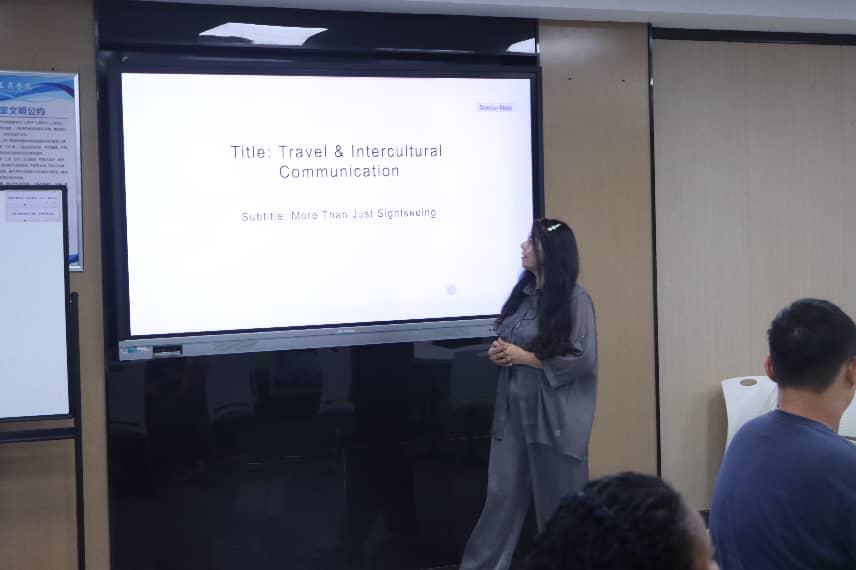
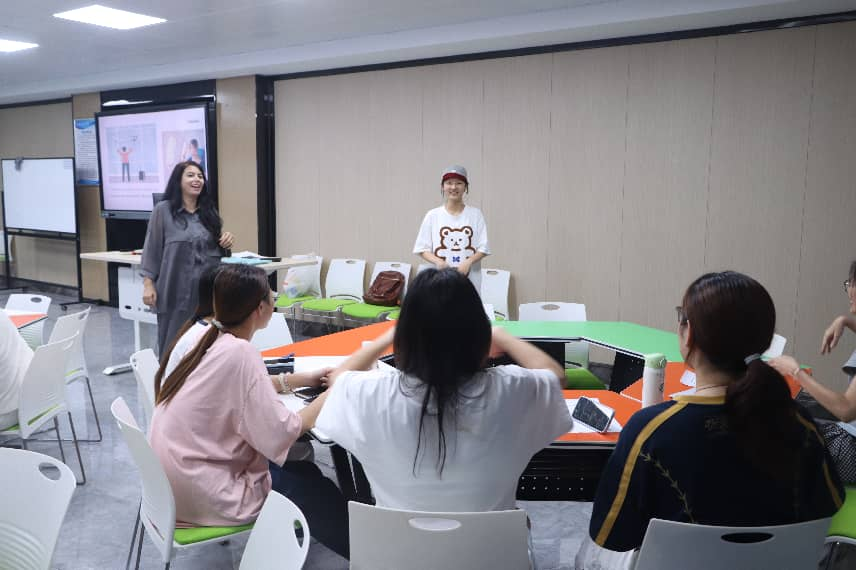
5月27日晚,我院英语角活动在综Ⅱ-202智慧教室顺利开展。本期英语角以“Travel & Intercultural Communication——旅行与跨文化沟通”为主题,把出国旅行的真实场景搬进了教室里,FIRDAUS RAHEELA老师与SEGLAH PATIENCE AFI老师带领同学们围绕旅行英语、跨文化交流与真实情境表达展开互动学习。活动结合旅行场景、文化差异讨论与趣味语言游戏,让同学们在交流中逐渐发现,英语不仅是课堂中的知识,更是帮助我们理解世界、表达观点与建立联系的工具。
The English Corner activity of our college was successfully held in the Smart Classroom (Comprehensive Building II-202) on the evening of May 27.Centered on the theme of “Travel & Intercultural Communication,” the session was led by Teachers FIRDAUS RAHEELA and SEGLAH PATIENCE AFI, focusing on travel English, intercultural communication, and real-life language use. Through travel-related situations, cultural discussions, and interactive activities, students gradually realized that English is not only a classroom subject, but also a practical tool for communication, understanding, and connection.
从机场到酒店:在真实旅行情境中学习英语表达
活动开始后,两位老师首先以旅行场景作为切入点,围绕机场出行、酒店入住、旅行准备等内容,引导同学们学习与旅行密切相关的英语表达。
从“boarding pass(登机牌)”“gate(登机口)”“carry-on(随身行李)”“passport control(护照检查)”,到“hotel check-in(酒店入住)”“jet lag(时差反应)”“room service(客房服务)”等高频词汇,同学们不仅学习了词义,也尝试理解这些表达在真实旅行中的使用场景。
例如,在模拟机场情境时,同学们尝试练习:
“Where is the baggage claim area?”
“Can you help me find my gate?”
“My flight has been delayed.”
而在酒店场景中,大家则围绕入住、服务需求等情境进行表达:
“I would like to make a hotel reservation.”
“What time is check-out?”
“Could I get extra towels?”
相比单纯记忆单词,同学们更像是在提前进行一次“旅行预演”——如果真正身处机场、酒店或陌生国家,该如何表达需求、解决问题,并与不同文化背景的人进行交流。
From Airports to Hotels: Learning English Through Real Travel Situations
At the beginning of the session, the teachers introduced practical English expressions related to airports, hotels, and travel preparation.
Students explored useful travel vocabulary such as “boarding pass,” “gate,” “carry-on,” “passport control,” “hotel check-in,” “jet lag,” and “room service,” while learning how these expressions are used in real-life situations.
During airport-related discussions, students practiced expressions like:
“Where is the baggage claim area?”
“Can you help me find my gate?”
“My flight has been delayed.”
In hotel-related situations, students learned how to communicate practical needs, including reservations, check-out times, and room services.
Rather than simply memorizing words, students experienced a form of “travel rehearsal,” imagining how English could help them solve problems and communicate more confidently while traveling.
跨文化沟通:从文化差异中理解表达方式
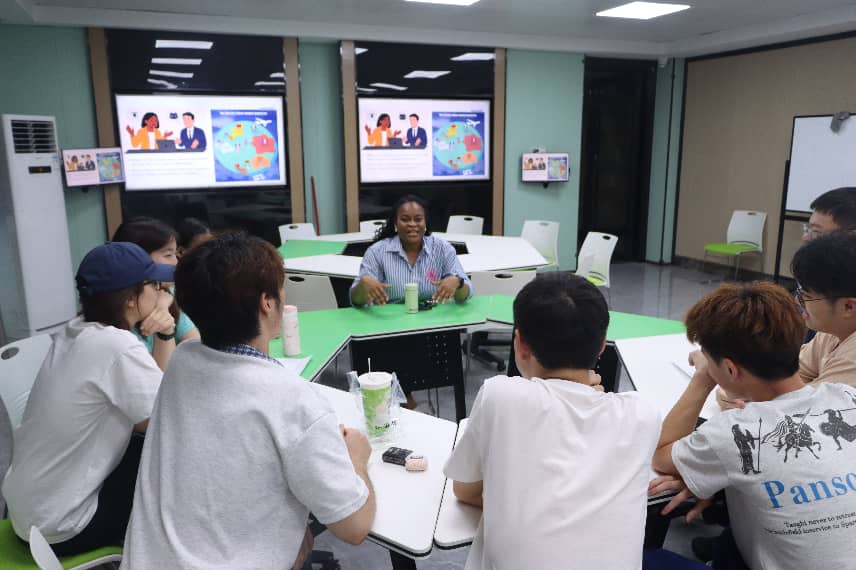
除了旅行表达,本次英语角也围绕跨文化沟通展开讨论。
“在不同国家,排队方式为什么会不一样?”
“朋友直接从你的盘子里夹菜,在不同文化中意味着什么?”
“飞机落地后鼓掌是礼貌还是奇怪?”
围绕这些熟悉却又容易引发文化差异的话题,同学们展开讨论,并结合自己的理解与经历表达看法。
在交流过程中,大家也逐渐意识到,同一句表达在不同文化背景下可能会产生不同理解,而一次简单的问候方式、用餐习惯甚至肢体动作,也可能影响人与人之间的沟通。
Beyond Travel: Exploring Intercultural Communication
In addition to travel English, students also discussed intercultural communication and cultural differences.
Questions such as:
“Why do people queue differently in different countries?”
“What does sharing food mean in different cultures?”
“Is clapping after a flight lands considered polite or unusual?”
encouraged students to reflect on how communication styles and cultural customs vary across countries.
Through these discussions, students gradually realized that language is closely connected to culture, and even simple greetings, dining habits, or gestures may carry different meanings in different social contexts.
从词汇到表达:在互动游戏中提升英语应用能力
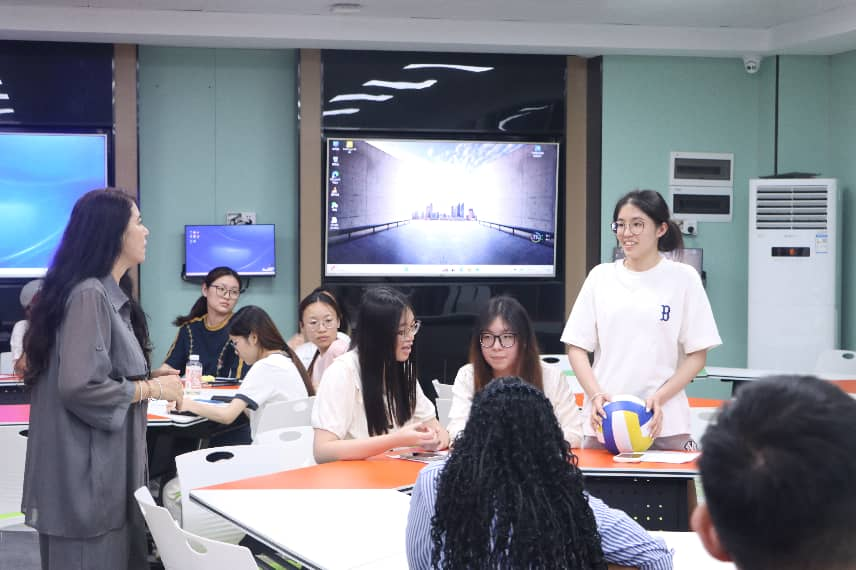
在随后进行的“Roll the Ball”旅行表达接龙游戏中,同学们围坐成组,小球依次传递。小球停在谁面前,谁就需要快速说出一句与旅行相关的英语表达,且不能与前面的内容重复。
“May I have a window seat, please?”
“My flight has been delayed.”
“Can you help me find my gate?”
随着游戏推进,同学们逐渐发现,真正的挑战并不是“认识单词”,而是如何快速将掌握的词汇组织成完整句子,并在有限时间内完成表达。
在最后的“Catch Phrase”环节中,活动难度进一步升级。同学们需要描述一个旅行相关词语,但不能直接说出该词本身。
例如,抽到“passport(护照)”时,不能直接说“travel document”;抽到“boarding pass(登机牌)”时,也不能直接使用“ticket”等直接提示,而是需要通过场景描述、近义表达或例句帮助队友猜测。
这个过程也让大家逐渐意识到:真实交流中,并不一定总能第一时间想到最准确的单词,但依然可以通过解释、替换表达和情景描述,让交流继续进行。
From Vocabulary to Communication: Learning Through Interactive Activities
During the “Roll the Ball” activity, students took turns saying travel-related English expressions without repeating previous answers.
The challenge gradually shifted from remembering vocabulary to organizing words into practical and complete sentences under time pressure.
Later, in the “Catch Phrase” activity, students described travel-related words without directly saying the answer itself. Instead, they used explanations, examples, and situational clues to help teammates guess correctly.
Through these activities, students learned that communication is not about speaking perfectly every time, but about finding flexible ways to continue expressing ideas and understanding others.
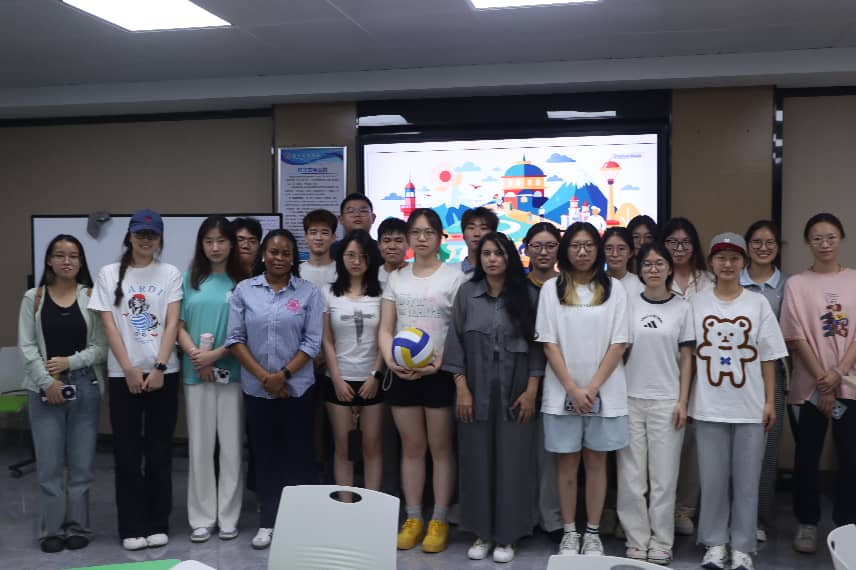
本期英语角从机场、酒店与旅行准备,到文化差异与真实表达,把英语一步步带入生活场景之中。
从“如何找到登机口”,到“如何表达跨文化交流中的困惑”;从“如何办理酒店入住”,到“忘记某个单词时如何换一种方式表达”,同学们在互动中逐渐发现,英语不仅是课堂里的知识,也是一种帮助自己理解世界、表达观点与建立联系的能力。
国际教育学院三分院英语角活动将继续围绕真实生活情境开展更多主题交流,在轻松互动中帮助同学们提升语言表达能力与跨文化交流意识。
This English Corner gradually brought English into real-life situations through travel preparation, cultural discussions, and practical communication activities.
From asking for directions at airports to expressing cultural misunderstandings, and from hotel check-ins to paraphrasing unfamiliar vocabulary, students explored how English can become a useful tool for communication, confidence, and understanding the world.
The English Corner of Division III, School of International Education, will continue to provide more practical and engaging language activities to help students improve communication skills and intercultural awareness.
下期预告Preview
第四期英语角活动将于6月17日举行。
下一次,又会解锁什么有趣主题?会是新的互动挑战、轻松聊天,还是更多“原来英语还能这样学”的时刻?
让我们一起期待下一次英语角见面吧!
Preview
The fourth session of English Corner will be held on June 17th.
What fun topic will be unlocked next time? Will there be new interactive challenges, interesting conversations, or more moments that help students discover new ways to learn English?
See you at the next English Corner!
撰稿:国际教育学院三分院
图片:国际教育学院三分院
编辑:武玥谌昕
初审:李文轩
复审:高桥锋
终审:邢传国